Travertine FAQ – Everything You Need to Know
🪨 What is Travertine?
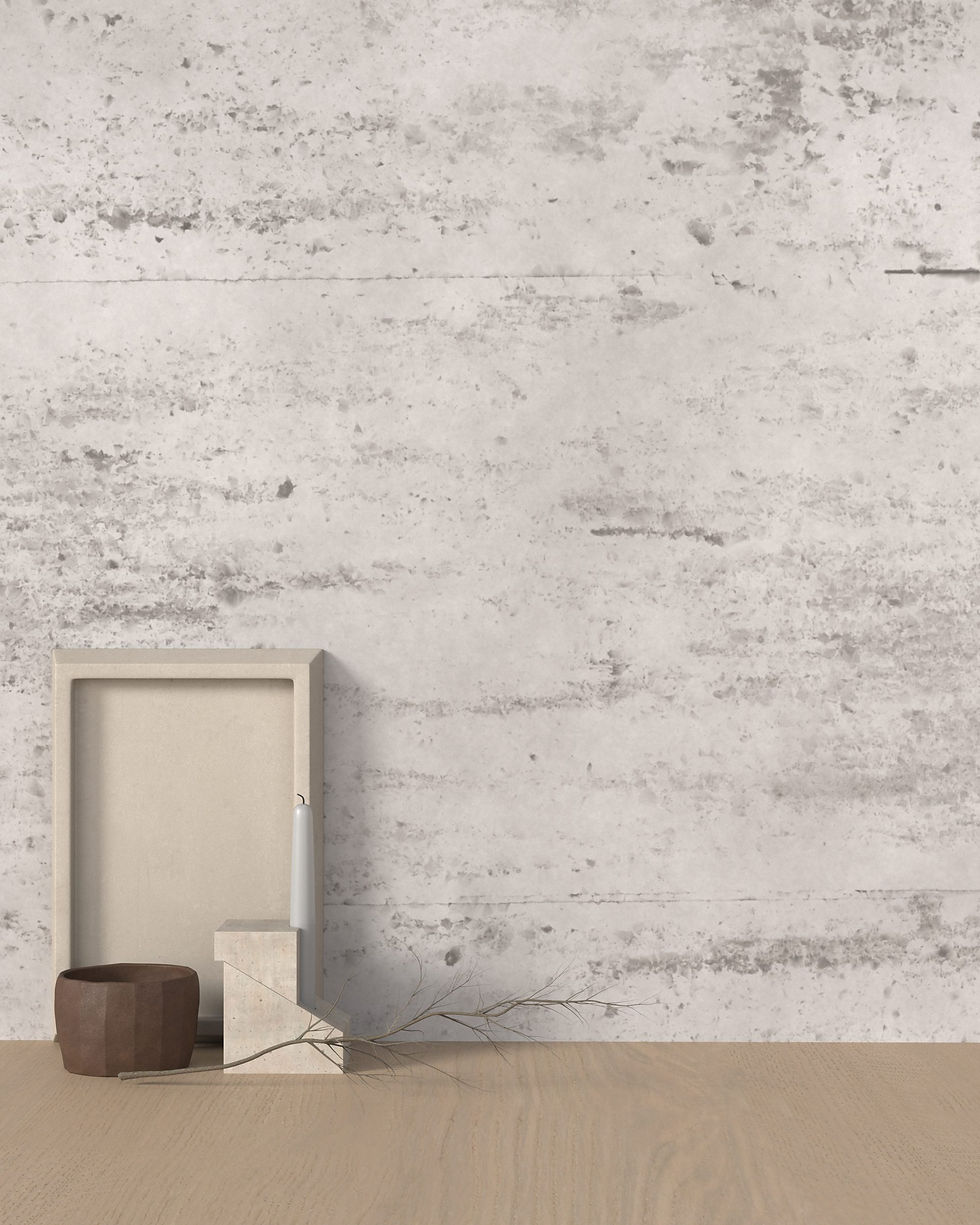
Travertine is a premium lime-based decorative plaster designed to recreate the timeless appearance of natural travertine stone. Using specialized application techniques, it produces realistic stone textures, subtle movement, and natural depth, making walls look like they were built from authentic cut limestone.
🏛️ What does Travertine look like?
Travertine creates the elegant appearance of natural travertine with distinctive horizontal textures, soft grooves, and mineral variations found in real stone. Depending on the application technique, the finish can range from subtle and refined to bold and rustic.
🌿 Is Travertine environmentally friendly?
Yes. Travertine is a lime-based decorative finish made with natural mineral ingredients. It contains very low VOCs, making it an excellent choice for residential and commercial interiors.
💨 Is Travertine breathable?
Yes. Lime-based decorative plasters are naturally breathable, allowing water vapor to pass through the surface while helping walls maintain a healthy indoor environment.
🏠 Where can Travertine be applied?
Travertine is ideal for:
-
Living rooms
-
Feature walls
-
Bedrooms
-
Dining rooms
-
Hotel lobbies
-
Restaurants
-
Retail stores
-
Offices
-
Luxury commercial interiors
-
🚿 Can Travertine be used in bathrooms?
Yes. When properly sealed with a suitable protective finish, Travertine can be used in bathrooms and other humid environments. Direct water exposure, such as inside showers, requires a professional waterproof system.
🎨 Can Travertine be tinted?
Absolutely. Travertine can be tinted in a wide variety of colors, from warm natural limestone shades to modern gray and contemporary designer colors.
🛠️ What surfaces can Travertine be applied over?
Travertine can be applied over properly prepared:
-
Drywall
-
Cement board
-
Concrete
-
Plaster
-
Previously painted walls
-
Other stable mineral surfaces
The surface should always be clean, dry, sound, and properly primed.
🧱 Do I need a primer?
Yes. Proper surface preparation is essential for achieving maximum adhesion and consistent decorative results.
📏 How many coats are required?
Most Travertine finishes are completed in two decorative coats, although some artistic finishes may require additional detailing depending on the desired texture.
🎭 Can different decorative effects be created?
Yes. One of Travertine's greatest advantages is its versatility. Professional applicators can create:
-
Classic travertine stone
-
Horizontal cut stone
-
Rustic aged stone
-
Contemporary smooth stone
-
Mediterranean finishes
-
Italian architectural textures
-
Custom artistic finishes
✨ Can Travertine be polished?
Depending on the application technique, Travertine can be left with a natural matte appearance or enhanced with decorative waxes and protective finishes to increase depth and visual richness.
💪 Is Travertine durable?
Yes. Once fully cured and properly protected, Travertine creates a durable decorative finish suitable for both residential and commercial spaces.
🧽 Is Travertine washable?
After applying the recommended protective finish, the surface can be cleaned using a soft cloth and mild household cleaners.
🔧 Can Travertine be repaired?
Yes. Minor damage can often be repaired locally by an experienced applicator. Because Travertin is hand-applied, repairs may require blending techniques to match the surrounding texture.
☀️ Will sunlight affect Travertine?
Travertine maintains its beauty for many years under normal interior conditions. Like most decorative finishes, prolonged direct UV exposure may gradually affect color over time.
🏛️ What design styles work best with Travertine?
Travertine complements many architectural styles, including:
-
Modern
-
Mediterranean
-
Contemporary
-
Italian
-
Luxury residential
-
Classical
-
Transitional
-
Boutique hospitality
-
🎓 Is professional training available?
Yes. Silk Plaster offers professional training for decorative finishing techniques, including Travertin application, texture creation, and finishing methods.
📦 Can homeowners install Travertine themselves?
Travertine is considered a professional decorative finish. While experienced DIY users may achieve good results, the best appearance is typically achieved by trained decorative plaster applicators.
🆚 What is the difference between Travertine and Microcement?
Although both materials create premium decorative surfaces, they are designed for different purposes.
Travertine is a lime-based decorative plaster created primarily for textured wall finishes that imitate natural stone.
Microcement is a cement-based continuous coating designed for walls, floors, showers, countertops, and other high-performance applications that require exceptional durability.
🆚 What is the difference between Travertine and Venetian Plaster?
Both are lime-based decorative finishes, but they create very different appearances.
Venetian Plaster is polished to a smooth, marble-like finish with depth and shine.
Travertine recreates the textured appearance of natural travertine stone, complete with characteristic grooves, movement, and architectural texture.
📞 Still Have Questions?
If you have additional questions about Silk Plaster Travertine, our team is happy to help. Contact us for product recommendations, color selection, technical guidance, or professional application support.